큐레이터 소개
류희연(Heeyeon Ryu, b.1993)은 차이를 가늠하기보다 사이의 가능성을 탐색하는 기획과 글을 선보이는 데 관심을 둔다. 전시를 매개로 이러한 여정이 드러나길 바라며, 전시를 기획할 때 단일한 서사로 귀결되기보다 하나의 장면이 다음 장면과 필연적으로 이어지는 구조를 지향한다. 최근에는 보이지 않는 세계를 가시화하는 과정에 주목하며, 이를 통해 공허에 대한 지각이 불러오는 사유의 확장을 실험하고자 한다. 현재 (유)유아트랩서울(Urban Art Lab Seoul)에서 큐레이터이자 보조연구원으로 활동하고 있으며, 송은(SONGEUN), 서울문화재단(Seoul Foundation for Arts and Culture) 등 다수의 기관에서 근무한 바 있다. 주요 기획 전시로는 《덩굴 아래에서 춤을》(2025, 챔버), 《제12회 아마도전시기획상: 포인트 니모》(2025, 아마도예술공간), 《토성의 고리》(2024, 부천아트벙커B39) 등이 있다. 제12회 아마도전시기획상을 수상했으며, 일민미술관 시각문화 비평 연구 프로젝트 IMA 크리틱스와 아르코미술관 전문인 교육 큐레이터 과정 등의 워크숍에 참여한 바 있다.
추천 작가 (1)
미지(MIZI / 전규빈, 천예지, 민지연)는 ‘미지의 세계’를 의미하며, 탐험과 발견의 과정을 예술적 여정으로 이어가는 팀이다. 전규빈은 타인에 의해 기억이 조작된 경험을 바탕으로, 기억의 왜곡에서 생겨난 공백과 감정의 파편이 시간 속에서 어떻게 잔존하고 변형되는지를 살핀다. 천예지는 기술이라는 매개가 생명, 특히 인간의 감각과 세계 인식을 어떻게 변화시키는지에 주목한다. 이들의 작업은 기술과 생명, 기억과 감정에 대한 사유를 통해 미지의 세계가 지닌 잠재적 가능성을 탐색한다.
큐레이터 노트
MIZI는 광주의 대중목욕탕을 ‘동굴’로 재해석하는 과정을 통해, 도시 광주가 지닌 시간과 정서의 결을 탐색한다. 산업화와 민주화의 역사를 거쳐온 광주는 공동체의 기억이 축적된 도시로, 그 흔적은 가시적인 상징이나 문화보다 연대와 화합 같은 비가시적 층위에서 더욱 선명하게 드러난다. 특히 목욕탕은 오랫동안 사회 구성원들이 일상의 피로와 감정을 나누며 서로의 삶을 이해하던 공공의 장으로, 사람들은 그곳에서 계급과 세대, 이념을 넘어 같은 온기와 공기를 공유하며 일시적인 평등을 경험했다. MIZI는 이러한 감각적 공동체로서의 목욕탕을 미지의 공간으로 확장하고, 근현대를 넘어선 ‘동굴’의 형태로 변형시킨다. 동굴은 인간이 처음으로 몸을 녹이고 감각을 나누던 장소이자, 기억과 서사를 새기던 원초적 공간으로, 그 형상은 목욕탕과 겹쳐지며 새로운 감응의 장을 형성한다. 이렇게 탄생한 MIZI의 동굴은 과거의 동굴이자 현재의 목욕탕, 그리고 미래의 ‘포스트-공유’의 장으로 이어지며, 광주라는 도시의 시간성과 정서의 지형을 드러낸다.
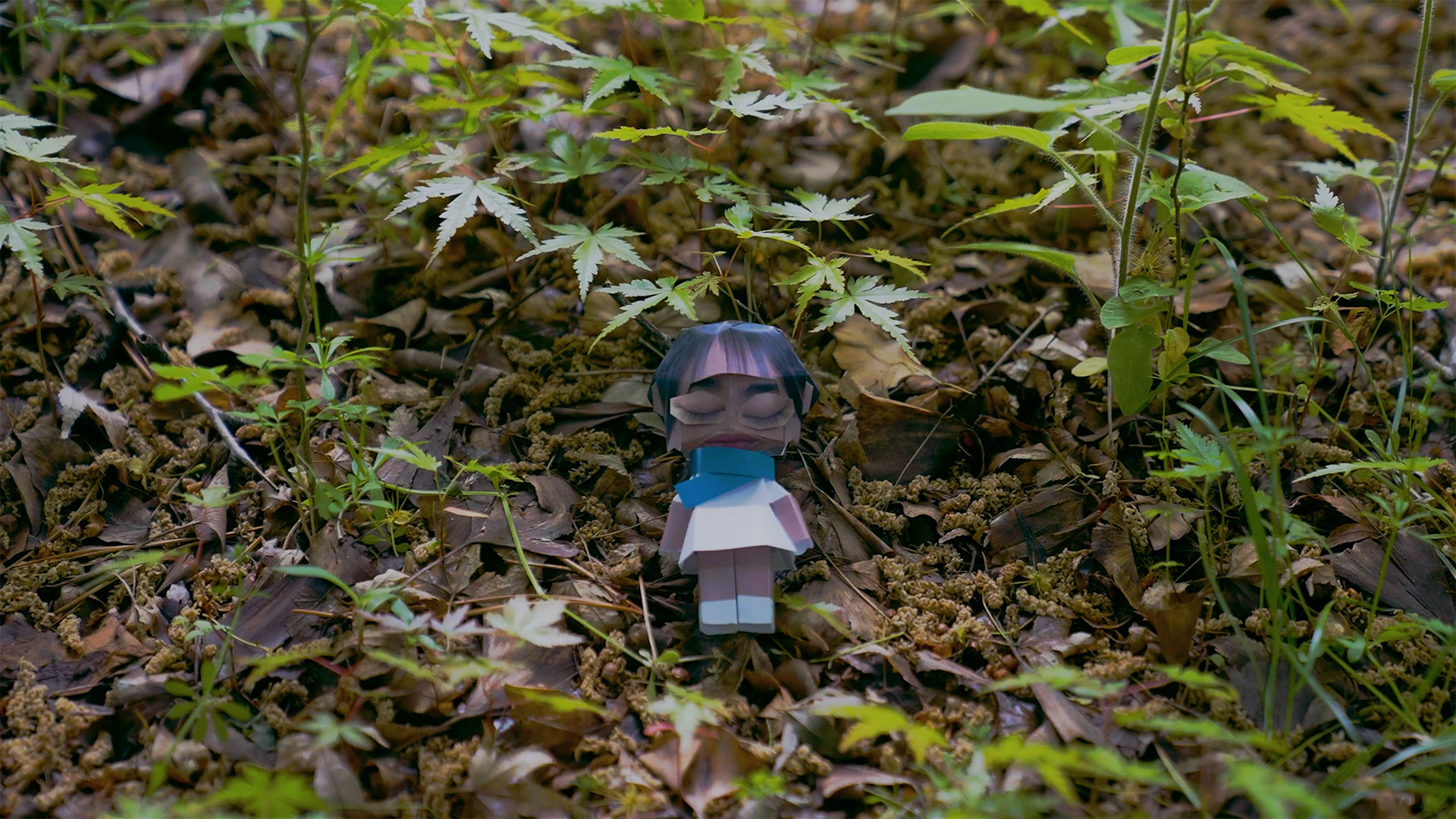
전규빈, <종이가 마르는 시간>, 2025, 단채널 4K 비디오, 컬러, 사운드, 3분
동굴에서 처음 마주하게 되는 작품, 전규빈의 <종이가 마르는 시간>은 종이 인형을 매개로, 외부 세계와의 마찰 속에서 변화하는 자아의 흔적을 섬세하게 포착한다. 작가는 감정적 상처와 사회적 기억이 교차하는 순간들을 통해 과거와 현재가 겹쳐지는 감각의 층위를 구축하며, 내면의 시간을 시각화한다. 이러한 층위는 ‘디지털 지정학’이라는 쇼케이스의 키워드를 개인의 정서적 지형으로 확장하고, 환경과의 관계 속에서 끊임없이 재구성되는 자아의 모습을 드러낸다.
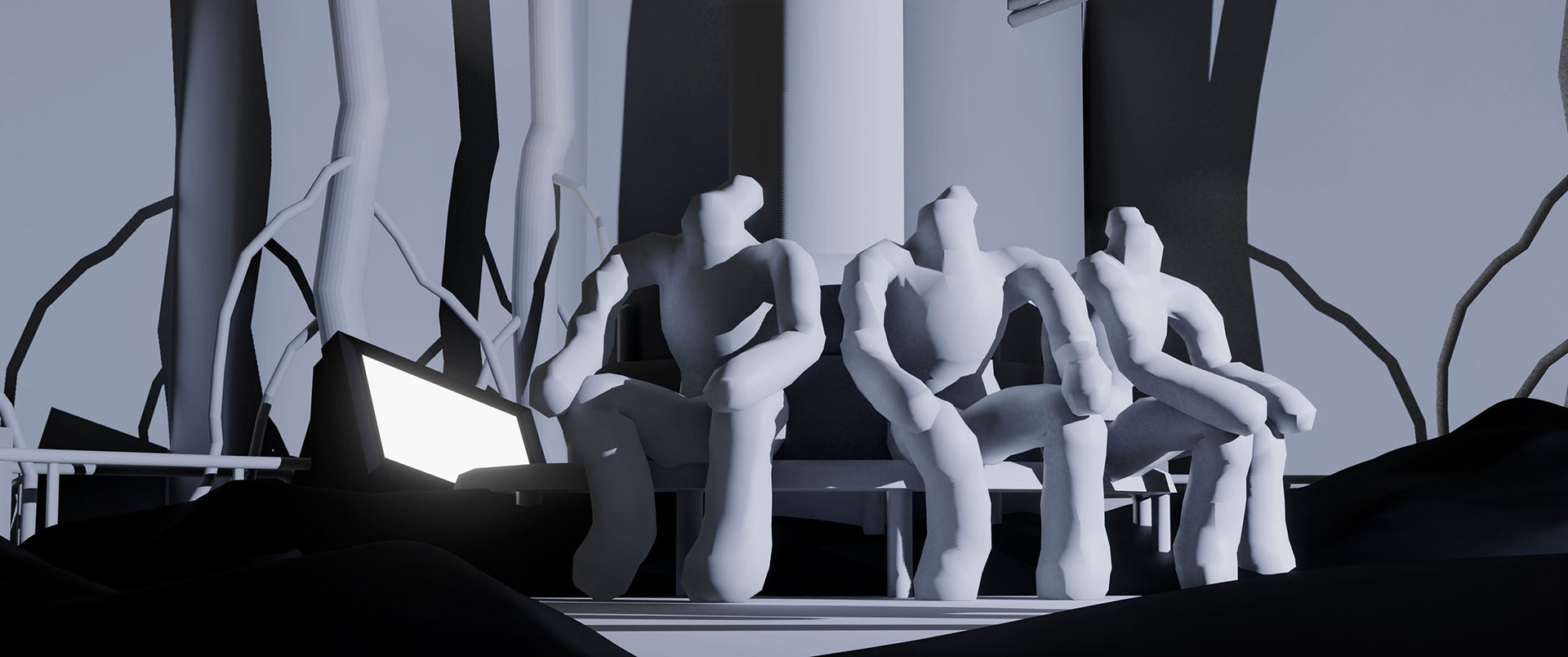
천예지, <연결된 예감들>, 2025, 단채널 비디오, 4096 × 1716 4K UHD, 컬러, 사운드, 2분 38초.
천예지의 <연결된 예감들>은 광주라는 도시의 기억을 바탕으로, 서로 다른 시간과 세계가 스쳐 지나가는 순간을 포착한 영상이다. 오래된 브라운관에서 흘러나오는 불안정한 신호, 뿌리를 뻗으며 자라나는 식물의 호흡, 그리고 반복적으로 움직이는 인간의 몸이 하나의 화면 안에서 교차하며 유기적인 리듬을 만들어낸다. 이 리듬은 서로 다른 언어를 지닌 존재들이지만, 마치 서로의 존재를 인지하듯 미세한 흔들림과 간섭을 주고받는다. 그렇게 화면 속에는 낯설고도 친밀한 ‘연결의 도시’가 잠시 모습을 드러낸다. 그 순간, 도시는 더 이상 기계적 구조물이 아니라, 존재들이 서로를 감지하고 응답하는 살아 있는 감각의 공간으로 변모한다.
추천 작가 (2)
온기노마(ONGINOMA / 김민진, 이영서, MINORI)는 한국어 ‘온기’와 일본어 ‘ノ間(~의 공간, no-ma)’를 결합한 것으로, ‘온기의 방’, ‘온기가 머무르는 공간’을 의미한다. 팀 온기노마는 이번 프로젝트를 통해 서로 다른 시간선과 서로 다른 차원의 존재들이 빛과 온기의 정서를 매개로 관계를 맺는 순간을 구현하는 것을 목표로 한다.
큐레이터 노트
.jpg)
온기노마, <코모레비>, 2025, 싱글채널 비디오, 컬러, 스테레오, 3분 22초
온기노마의 이번 프로젝트는 광주의 역사와 정체성을 기반으로, ‘빛’과 ‘케어(회복)’를 주제로 한 미디어아트 싱글채널 영상 작업이다. 저항과 연대의 역사를 품은 광주는 오늘날 유네스코 미디어아트 창의도시로 지정되며 ‘빛(光)’의 의미를 더욱 다층적으로 확장해왔다. 작품은 ‘빛’을 치유와 회복, 그리고 연결의 모티프로 작용시키며, 퍼포머 Minori와 3D 아바타가 명상적인 호흡으로 동일한 움직임을 수행하는 장면 속에서 그 의미가 시각화된다. 배경의 빛은 두 존재의 몸짓과 어우러지며 현실과 가상, 인간과 기술, 과거와 미래를 관통하는 감각적 서사를 형성한다. 메타버스 공간에 구현된 ‘수미 사우나’는 이러한 서사가 확장되는 또 하나의 무대로, 관객이 의자에 앉는 순간 스팀과 포그 효과가 발생하고, 영상이 서서히 나타난다. 스크린의 빛은 사우나 내부까지 번지며 공간과 관람자를 따스한 온기로 감싸고, 증기와 사운드, 미세한 진동은 시각·청각·촉각이 뒤섞이는 공감각적 몰입을 유도한다. 실사 촬영과 3D 애니메이션을 결합하고 Unity 게임 엔진을 활용해 구현된 이 작업은, 인간과 아바타를 매개로 빛이 전이되는 과정을 통해 회복의 감각을 드러내며, 인간과 기술이 함께 만들어가는 새로운 형태의 케어러블 미디어아트를 제시한다.
추천 작가 (3)
하이퍼바디(안유하, 임수민, 이제로)는 도시의 맥박을 하나의 살아 있는 생명체로 바라보며, 기술과 감각을 결합한 예술적 언어를 통해 광주라는 도시의 결과 생명력을 새롭게 읽어낸다. 이들에게 ‘생명’은 단순한 생존이 아니라, 억압에 맞서 존엄을 지켜내는 내적 에너지이자 세대를 이어 흐르는 리듬이다. 이번 프로젝트
큐레이터 노트
.jpg)
안유하, <창을 닫을 수 없습니다(Unable to Close Screen)_Short ver>, 2025, 단채널 비디오, 컬러, 1분.
<창을 닫을 수 없습니다>에서의 생명체는 이미 완성에 가까운 존재로, 개인의 정서가 지닌 불안과 긴장, 그리고 상처의 흔적을 보여준다. 이 감정의 결은 한 개인의 내면을 넘어 도시로 확장되며, 광주라는 역사 도시가 품은 상처와 지속적인 회복의 의지를 상징한다. 특히 예술과 기술이 공존하는 미디어아트 도시로서의 광주는, 작가의 디지털 감정 실험과 깊이 맞닿아 있다. 안유하는 광주가 지닌 기술적 감수성과 인간적 온기의 이중성을 자신의 작업 속에서 교차시키며, 기술 속에서도 여전히 살아 있는 감정의 체온을 탐구한다. “고통은 우리를 부서지게 하지만, 동시에 단단하게 만든다.” 이 문장이 함축하듯, 작품 빛과 그림자, 금속과 피부, 디지털과 감정이 교차하는 지점에서 탄생한 역설의 장면을 포착한다. 그곳에서 감정은 다시 호흡을 얻고, 상처는 가장 찬란한 생명으로 되살아난다.
.jpg)
임수민, <들을 수 없는 것_ver2>, 2025, 단채널 비디오, 사운드, 흑백, 4분 8초.
<들을 수 없는 것_ver2>는 ‘생명의 형태는 어떻게 정의될 수 있는가’라는 질문에서 출발한다. 작가는 자신이 마주한 ‘생명의 얼굴’을 붓으로 그려내며, 규칙도 형식도 없는 순수한 생성의 순간을 포착한다. 종이 위에서 태어난 존재들은 하나의 틀에 갇히지 않은 유일한 생명체로서 호흡하고, AI 프로그램을 통해 작가의 신체에서 발생한 내면의 소리를 이식받으며 정지된 이미지에 움직임과 생명력을 얻는다. 이로써 작품은 단순한 재현을 넘어, 생성 그 자체의 과정을 드러낸다. 깊은 역사를 지닌 동시에 미디어아트 특화 도시인 광주에서, 작가는 전통 재료인 먹 회화와 인공지능 기술을 결합해 새로운 영상 매체로 확장한다. 인간의 감각과 인공지능의 연산이 교차하는 그 지점에서, 광주가 품은 생명적 에너지와 예술·기술 융합의 정신이 은유적으로 드러난다.
About the Curator
Ryu Heeyeon(b.1993) is a curator and writer interested in exploring the potential of in-between spaces, rather than measuring differences. She seeks to foreground this trajectory through exhibitions, envisioning structures in which one scene inevitably unfolds into the next, rather than converging toward a singular, closed narrative. Her recent inquiries focus on processes that visualize the invisible and explore how thought can expand through the perception of emptiness. She is currently a curator and research associate at Urban Art Lab Seoul, and has previously worked with institutions including SONGEUN and the Seoul Foundation for Arts and Culture. Her major curatorial projects include Dancing Under the Vines (2025, Chamber), The 12th Amado Exhibition Award: Point Nemo (2025, Amado Art Space), and The Rings of Saturn (2024, Bucheon Art Bunker B39). She is the recipient of the 12th Amado Exhibition Award and has participated in professional programs such as IMA Critics at the Ilmin Museum of Art and the Curator Training Program at the ARKO Art Center.
About the Artist (1)
MIZI(Jeon Gyubin, Cheon Yeji, Min Jiyeon) means “the unknown world,” and the team continues the process of exploration and discovery as an artistic journey. Jeon Gyubin draws on personal experiences of having her memories manipulated by others, examining how the gaps and emotional fragments arising from distorted memories persist and transform over time. Cheon Yeji focuses on how technology as a mediator alters life, particularly human perception and sensory experience of the world. Through their engagement with the intertwined realms of technology and life, memory and emotion, MIZI explores the latent possibilities inherent in the unknown.
Curatorial Note
MIZI reinterprets Gwangju’s public bathhouses as “caves,” exploring the layers of time and emotion that shape the city’s identity. Having undergone industrialization and democratization, Gwangju is a city where collective memory has accumulated over generations. Its essence is revealed not through visible symbols or monuments, but in the invisible layers of solidarity and communion that connect its people. The bathhouse, in particular, has long served as a communal space where individuals shared daily fatigue and emotion, transcending class, generation, and ideology to experience a momentary sense of equality through shared warmth and air. MIZI expands this sensory community of the bathhouse into an unknown realm, transforming it into a “cave” that transcends the boundaries of modernity. The cave, a primordial space where humans once warmed their bodies, exchanged sensations, and inscribed memories and stories, overlaps with the bathhouse to create a new field of resonance. MIZI’s cave thus becomes at once an ancient shelter, a present-day bathhouse, and a future “post-sharing” site that embodies the temporal and emotional landscape of Gwangju.
Jeon Gyubin, The Drying Time of Paper, 2025, Single-Channel 4K Video, Color, Stereo, 3 min.
The first work encountered within the cave, The Drying Time of Paper by Jeon Gyubin, delicately captures traces of the self transforming through friction with the external world, using paper dolls as a medium. The artist visualizes an inner temporality by constructing sensory layers where emotional wounds and social memories intersect, allowing the past and present to overlap. These layers extend the showcase’s key concept of “digital geopolitics” into a personal, emotional topography, revealing a self continually reshaped through its relationship with the environment.
Cheon Yeji, Trans-Signal, 2025, Single-channel video, 4096 × 1716 4K UHD, color, sound, 2 min 38 sec.
Cheon Yeji’s Trans-Signal is a video work that captures fleeting moments where different times and worlds brush past one another, drawing from the collective memory of Gwangju. Unstable signals from an old cathode-ray television, the breathing of plants spreading their roots, and the repetitive movements of the human body intersect within a single screen, forming an organic rhythm. Although these elements speak in different languages, they exchange subtle tremors and interferences as if acknowledging each other’s existence. In this rhythm, a strange yet intimate “city of connections” momentarily emerges. In that moment, the city is no longer a mechanical construct but a living, sensorial space where beings sense and respond to one another.
About the Artist (2)
ONGINOMA(Kim Minjin, Lee Youngseo, MINORI) combines the Korean word “ongi” (warmth) with the Japanese particle “no-ma” (a space or room), signifying “a room of warmth” or “a space where warmth resides.” Through this project, ONGINOMA aims to create moments in which beings from different timelines and dimensions form connections mediated by the emotions of light and warmth.
Curatorial Note
ONGINOMA, Komorebi, 2025, Single-channel video, color, stereo sound, 3 min 22 sec.
ONGINOMA’s work draws from Gwangju’s layered history and identity to explore the themes of light and care (healing) through a single-channel media art piece. Shaped by histories of resistance and solidarity, Gwangju—now designated as a UNESCO City of Media Arts—has continually expanded the meaning of light (光) into a multifaceted symbol. In this work, light becomes a motif of healing, recovery, and connection, visualized through scenes where performer Minori and a 3D avatar mirror each other’s meditative movements. The light interweaves with their gestures, creating a sensory narrative that traverses reality and virtuality, humanity and technology, past and future. The metaverse space “Sumi Sauna” extends this narrative into an immersive and sensorial dimension. When the viewer takes a seat inside the sauna, steam and fog gently rise as the video begins to appear. The projected light spills beyond the screen, filling the dim space with warmth, while layers of steam, sound, and subtle vibration create a multisensory experience where sight, hearing, and touch intertwine. Combining live-action footage with 3D animation and implemented through the Unity game engine, the work conveys a sense of healing through the transference of light between human and avatar, proposing a new form of careable media art in which humanity and technology coexist and co-create.
About the Artist (3)
HYPERBODY(Ahn Yuha, Lim Sumin, Lee Jero) perceives the pulse of the city as that of a living organism, reinterpreting Gwangju’s rhythm and vitality through an artistic language that merges technology and sensory experience. For the team, “life” is not merely the state of survival but an inner energy that upholds dignity in the face of oppression and flows across generations as a continuous rhythm. In their project Transparent Pulse: Temperature Beyond the Senses, they visualize the journey of life from the unconscious rhythm of its earliest forms to the emergence of its complete shapes, revealing the tensions, anxieties, wounds, and moments of healing that occur along the way. Here, the “pulse” transcends the boundaries of individual life, serving as a metaphor for the vitality, persistence, and future of the city itself. Through the use of AI technology and 3D modeling, HYPERBODY presents a new sensory ecology in which humans, art, the city, and technology coexist and evolve together.
Curatorial Note
Ahn Yuha, Unable to Close Screen_Short ver, 2025, Single Channel Video, color, 1 min.
In Unable to Close Screen (Short Ver.), the living being depicted appears as an almost complete entity, visualizing traces of anxiety, tension, and emotional scars embedded in personal sensibility. These emotional currents extend beyond the individual psyche, reflecting the wounds and enduring will for recovery that have shaped the historic city of Gwangju. As a city where art and technology coexist, Gwangju resonates deeply with the artist’s digital exploration of emotion. Ahn Yuha intertwines the city’s dual sensibility of technological acuity and human warmth within her work, seeking the lingering warmth of feeling that persists even within systems of technology. “Pain may break us, but it also makes us stronger.” This idea encapsulates the work, which captures the paradoxical moment where light and shadow, metal and skin, digital and emotional matter intersect. Within that moment, emotion regains its breath, and the wound transforms into a radiant form of life.
.jpg)
Lim Sumin, What cannot be heard_ver2, 2025, Single Channel Video, sound, Black & White, 4 min 8 sec.
What Cannot Be Heard_ver2 begins with the question, “How can the form of life be defined?” The artist paints what she perceives as the “face of life,” capturing the pure moment of creation that precedes any rule or form. The beings born on paper breathe as unique lives unbound by any frame, receiving the inner sounds drawn from the artist’s own body through an AI program that imbues the still images with movement and vitality. In this way, the work transcends mere representation and reveals the process of creation itself. Working in Gwangju, a city of deep history and a hub for media art, the artist merges traditional ink painting with artificial intelligence, expanding her practice into a new visual medium. At the intersection of human sensation and machine computation, the work evokes Gwangju’s vital energy and metaphorically reflects the city’s spirit of artistic and technological convergence.